
Leverage 1:50 + 0.40 Gold Lot Limit: Real Math for Ghana USDT Traders
Unlimited leverage sounds like power. It's usually the thing that kills your account in one bad trade. Here's the real math on why PropScholar's 1:50 leverage and 0.40 gold lot cap protect a Ghanaian trader's 6% max-loss boundary better than any 'unrestricted' account ever could — with actual numbers, not theory.
Unlimited leverage sounds like power. It's usually the thing that kills your account in one bad trade. Here's the real math on why PropScholar's 1:50 leverage and 0.40 gold lot cap protect a Ghanaian trader's 6% max-loss boundary better than any 'unrestricted' account ever could — with actual numbers, not theory.
Start your evaluationLeverage 1:50 + 0.40 Gold Lot Limit: Real Math for Ghana USDT Traders
TL;DR: PropScholar's 1:50 leverage and 0.40 XAUUSD lot cap aren't restrictions — they're the architecture that keeps a $10,000 evaluation account alive long enough for you to actually win. The real math proves it. 'Unlimited' leverage on gold is how accounts die in minutes.
Key takeaways:
- At 1:50 leverage, a full 0.40 gold lot on a $10K account costs roughly $800 in margin — contained, manageable.
- One 100-pip gold move against a 1.00 lot position loses $1,000. Against 0.40 lots, that same move costs $400.
- The 6% max loss on a $10K account is $600. The lot limit and leverage cap work together to make it genuinely hard to blow through that in a single trade.
- 'Unlimited' leverage with no lot cap lets you hit a $600 loss in under 60 seconds on a volatile gold spike.
- You pay with USDT from Ghana. P2P exchanges like Binance P2P let you fund your USDT wallet with Mobile Money and pay PropScholar directly.
Most traders in Ghana who've looked at funded account programs have seen the marketing: "1:100 leverage," "1:200," sometimes just "unlimited." It sounds like freedom. More leverage, more power, bigger wins.
Here's the thing nobody puts in the sales copy: more leverage on a volatile instrument like gold is the fastest way to breach your max-loss rule and lose the account before lunch. Especially for a beginner. Especially on XAUUSD.
PropScholar caps leverage at 1:50 and limits your maximum open gold position to 0.40 lots on a $10,000 account. I want to show you, in actual numbers, why that combination is a gift — not a handicap.
What 'Unlimited' Leverage Actually Does to a Gold Trade
Gold (XAUUSD) moves. On a medium-volatility day, 100 to 200 pips in a session is ordinary. During a news spike — US CPI, Fed Chair remarks, geopolitical headlines — you can see 300 to 500 pips in minutes. That's the instrument you're trading.
Now imagine you're on a platform offering 1:200 leverage with no lot cap. You have a $10,000 evaluation account and you open 2.00 lots of gold, feeling confident after a good setup.
Each pip on gold with 2.00 lots is worth $20. A 300-pip spike against you is a $6,000 loss. Your entire account — gone, before the chart even finishes painting the candle.
With 1.00 lot at 1:100 leverage? Each pip is worth $10. That same 300-pip spike takes $3,000. Still account-destroying, still gone in one move.
Now let's look at PropScholar's setup.
The Real Math: 0.40 Lots + 1:50 Leverage on a $10K Account
At 0.40 lots on XAUUSD, each pip is worth $4. Run those same numbers:
- A 100-pip move against you: $400 loss.
- A 200-pip move against you: $800 loss.
- A 300-pip spike against you: $1,200 loss.
If you're trading with a stop-loss (which any serious trader should be), the lot cap makes it structurally very difficult to breach the max-loss rule by accident. It forces discipline into the trade before you even click buy or sell.
Compare that to the 2.00-lot scenario: a 30-pip move with no stop loses $600 and you're at the boundary. A 30-pip spike on gold takes seconds.
The lot cap is not about limiting your upside. It's about making it mechanically hard to accidentally kill the account in one moment of bad judgment.
How the 1:50 Leverage Cap Works With the Lot Limit
Leverage determines how much margin you need to hold a position open. At 1:50 on a $10,000 account, holding 0.40 lots of gold at a spot price of around $3,300:
One standard lot of gold is 100 troy ounces. At $3,300 per ounce, one lot = $330,000 notional value. At 1:50 leverage, that full lot would require $6,600 in margin. At 0.40 lots, your required margin is around $2,640.
So your maximum gold position ties up roughly $2,640 of your $10,000 — leaving over $7,000 as free margin buffer. You have room to breathe through drawdown. You're not immediately on margin call if the position moves against you.
An account with 1:200 leverage and a 2.00-lot gold position requires far less margin upfront, which is precisely the trap. Low margin requirement creates the illusion that the trade is 'cheap' to hold. The loss per pip hasn't changed. The blowup risk is the same — higher, actually, because nothing forced you to size down.
PropScholar's 1:50 cap quietly requires that you can actually afford the margin on what you're trading. It's a sanity check built into the account structure.
The Daily Loss Rule Makes This Even More Important
PropScholar's Freedom Account has a 3% daily loss limit, calculated from the higher of your starting equity or current balance. On a $10,000 account, that's a $300 daily limit.
With 0.40 lots of gold and pip value of $4, you need to lose 75 pips in a single day to hit the daily limit. That's a meaningful threshold. You'd need to genuinely be wrong on multiple trades, or run one trade without a stop through a major move.
With 1.00 lot and 1:100 leverage — pip value $10 — you hit the daily limit in 30 pips. A 30-pip drawdown on gold is well within normal session noise. You could blow the daily limit on a perfectly reasonable trade that just hadn't reached your profit target yet.
The combination of 1:50 leverage and the 0.40 lot cap gives your trades enough room to breathe that the daily loss boundary functions as protection against genuinely bad days — not as a hair-trigger that fires on ordinary market movement.
This is not theoretical. We've seen traders come from other platforms where the daily limit fired on what should have been a recoverable intraday drawdown. The lot cap, sized correctly to the account, is what prevents that.
One More Rule You Need to Know: News Windows
PropScholar prohibits opening or closing positions — including stop-loss or take-profit closes — from 10 minutes before to 10 minutes after a high-impact news event. Violating this breaches the account.
This matters for gold traders specifically. XAUUSD is one of the most news-sensitive instruments on the board. CPI, NFP, Fed decisions, geopolitical events — gold moves hard on all of them. The rule isn't arbitrary. Combined with the 0.40 lot cap, it means you can't get destroyed by a news spike and also weren't allowed to have your largest position open right into it.
If you're a Ghanaian trader and you're watching global news to time your gold entries, build the news blackout window into your session planning. Close or flatten your gold position before the window opens. It's simple once it becomes habit.
For an in-depth look at why high-stakes trading environments often punish people before the structure even lets them compete, the analysis of how Nifty options were priced against retail traders is worth reading alongside this — the same over-leverage logic applies across markets.
How Traders in Ghana Actually Pay With USDT
PropScholar doesn't accept credit cards, bank transfers, or local wallet services directly. For traders outside India, payment is crypto — specifically USDT — or PayPal.
Here's how Ghanaian traders do it in practice: buy USDT on a P2P exchange like Binance P2P. You fund your Binance account using a local payment method and exchange it for USDT peer-to-peer. Once USDT is in your wallet, you pay PropScholar directly through the platform via NOWPayments. The whole process takes under 20 minutes if you've done it once.
The entry cost is straightforward: $10 for the $10,000 Freedom Challenge. At roughly 15.5 GHS per USD at the time of writing, that's around 155 GHS — less than the cost of a data bundle for most people. If you pass, you claim a $42 scholarship, paid in crypto within 4 hours of your request. Every payout is publicly listed at propscholar.com/payout-proof.
Why 'Unlimited' Leverage Is a Red Flag, Not a Feature
When an evaluation platform advertises unlimited leverage, ask one question: who benefits from that?
A trader with unlimited leverage on a volatile instrument is statistically more likely to breach a loss rule quickly. A quick breach means a failed challenge. A failed challenge might mean buying again. If the business model depends on repeat purchases rather than on traders actually passing, then unlimited leverage is not trader-friendly. It's attrition by design.
PropScholar publishes its full ruleset at propscholar.com/terms-of-use and has never changed those rules retroactively. The lot limits are stated upfront. The leverage is stated upfront. What you see before you pay is exactly what you get.
That's the actual foundation of a scholarship-based evaluation platform that wants traders to pass — not one that profits from failure.
What This Means for Your Position Sizing Strategy
If you're on the $10,000 Freedom Challenge, your gold playbook looks like this:
Maximum open: 0.40 lots. Pip value: $4. Daily loss limit: $300 (75 pips of movement against you). Max loss limit: $600 (150 pips).
A sensible approach is to keep your per-trade risk at 1% of the account — $100. At $4 per pip, that means your stop-loss sits 25 pips away. That's tight but workable on XAUUSD if you're entering on a clear structure rather than chasing.
If you prefer a wider stop — 50 pips — drop to 0.20 lots and your per-trade risk stays at $100. The lot limit gives you a ceiling; your stop placement and position fraction give you the floor. The two work together.
You can run this math before you even place the trade. Know your maximum loss per trade, know how many losing trades in a row it takes to hit the daily limit, know how many losing days at the daily limit it takes to hit the max drawdown. If the numbers make you uncomfortable, that's useful information — it means your strategy needs refinement before scaling, not more leverage.
FAQs
What is the gold lot limit on PropScholar's Freedom Account? The maximum number of open gold (XAUUSD) lots at any one time is 0.40 on the $10,000 account. This is a concurrent limit — not cumulative — meaning it applies to what you have open simultaneously, not across your trading history. Each asset class has its own independent limit.
Why does PropScholar use 1:50 leverage instead of 1:100 or higher? 1:50 leverage keeps required margin meaningful enough that position sizing becomes deliberate. Combined with the 0.40 gold lot cap, it makes it structurally difficult to breach the 6% max-loss boundary in a single impulsive trade. Higher leverage with no lot cap is how funded accounts fail in minutes, not hours.
How much can I lose per day on a $10,000 PropScholar Freedom Account? The daily loss limit is 3% of the higher of your starting equity or balance — so $300 on a $10,000 account. With the gold lot cap at 0.40 lots and a pip value of $4, hitting that daily limit requires 75 pips of movement against you in a single session with no stop-loss active.
How do I pay for a PropScholar challenge in Ghana? Buy USDT on a P2P exchange like Binance P2P using a local funding method, then pay PropScholar via NOWPayments at checkout. The $10 Freedom Challenge costs roughly 155 GHS at current rates. PropScholar does not accept bank transfers or local wallet services directly.
What happens if I open a position during a news event on gold? Opening or closing any position — including stop-loss or take-profit closes — from 10 minutes before to 10 minutes after a high-impact news event is a breach of the account rules. For XAUUSD traders, this means flattening gold positions before major US data releases and central bank announcements.
Can I trade more gold lots if I open a larger account? Yes. Lot limits scale with account size. The 0.40 gold cap applies specifically to the $10,000 account. If you open a $50,000 account, the limits are proportionally higher. You can also purchase multiple Freedom Accounts simultaneously — there's no cap on how many you can run.
Is PropScholar legitimate for traders in Ghana? PropScholar is a Private Limited company registered in India, operating for over 1.5 years. Every payout is publicly listed at propscholar.com/payout-proof. Rules are published in full at propscholar.com/terms-of-use and have never been changed retroactively. USDT payment via NOWPayments is the standard method for Ghanaian traders.
PropScholar is a scholarship-based trading evaluation platform operated by a Private Limited company registered in India. We are not a prop firm and do not manage or allocate institutional capital. Our model rewards proven trading skill with scholarship grants upon successful evaluation completion.
Related reading
- Student Traders: How to Start With Pocket Money and Protect Every Rupee
- Position Sizing for $1 Challenges: Why Nigerian Traders Blow Accounts
- Leverage Explained for Beginners: How Much Is Too Much
- Can You Recover After Hitting the Daily Loss Limit? PropScholar vs Traditional Prop Firms
- Overthinking Every Trade? How Position Sizing Cures Analysis Paralysis—Bangladesh USDT Guide (2026)
- Risk Management Basics to Pass an Evaluation on the First Try
Ready to Prove Your Edge?
Join 500+ traders. Start from just $5. Get funded within days.
Frequently Asked Questions
The maximum number of open gold (XAUUSD) lots at any one time is 0.40 on the $10,000 account. This is a concurrent limit — not cumulative — meaning it applies to what you have open simultaneously, not across your trading history. Each asset class has its own independent limit and headroom cannot be borrowed between classes.
More From PropScholar

Risk Management
Why Lot Limits on Silver and Gold Matter More Than Leverage for First Blowup Prevention—India UPI Trader Guide
10 min read
Risk Management
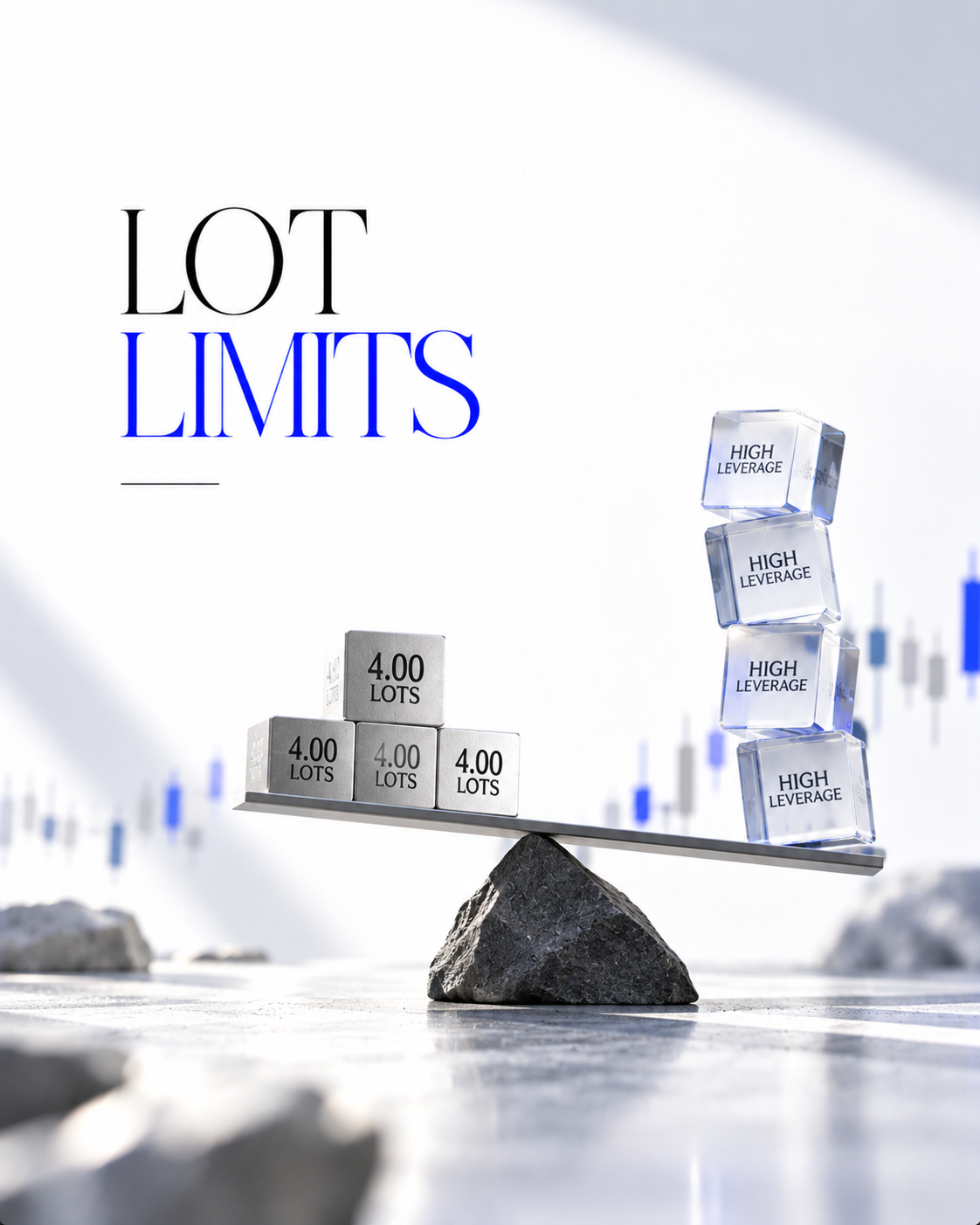
Lot Limit Confusion on Forex? Why 4.00 Lots Stops Blowups Better Than High Leverage—Indonesia USDT Guide
12 min read
Risk Management
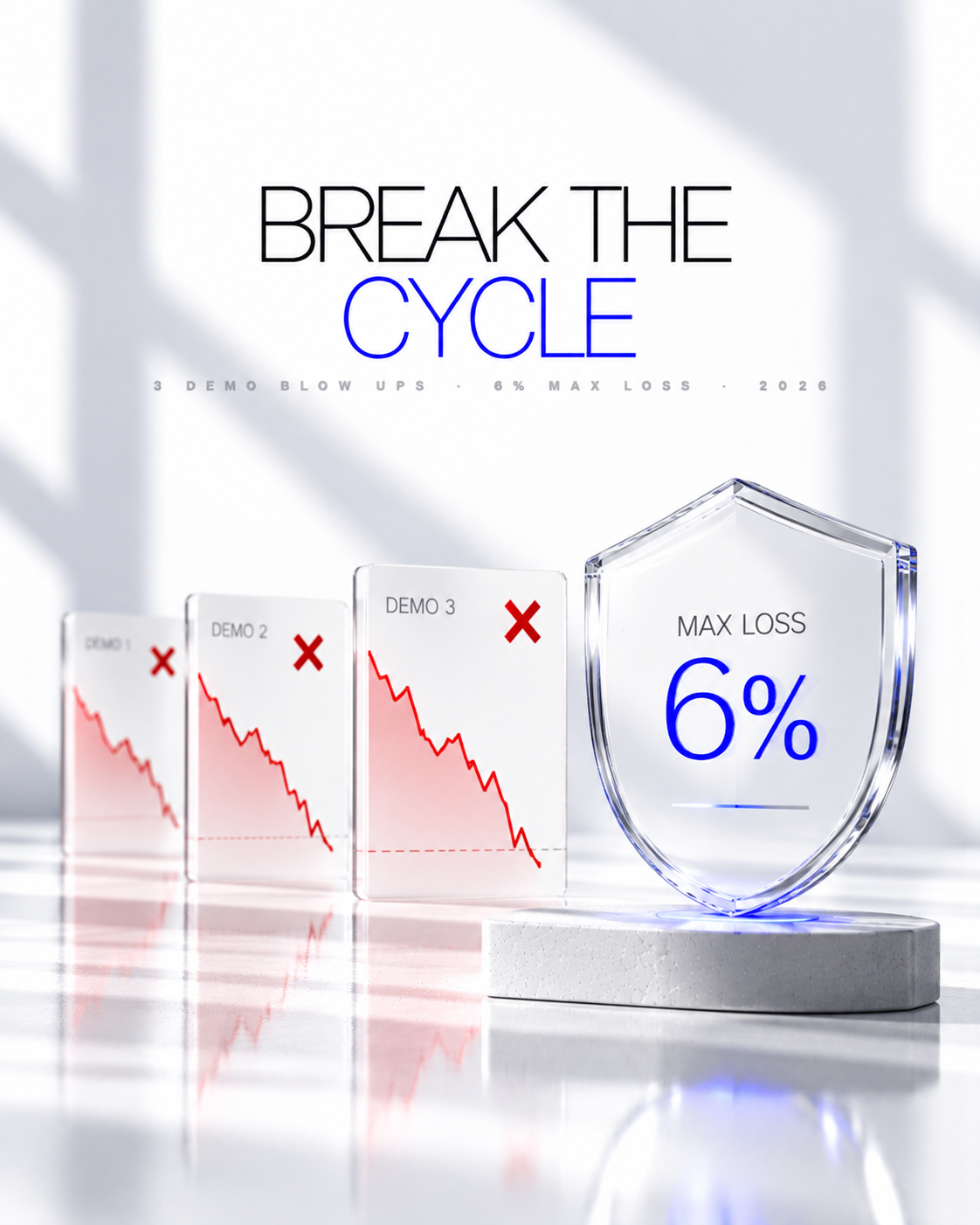
Blew Up 3 Times on Demo? Why the 6% Max Loss Rule Stops the Cycle (South Africa 2026)
12 min read

Evaluation Models
Free Prop Firm Trials Are a Sales Funnel: What Rs.499 Gets You Instead
13 min read
Risk Management
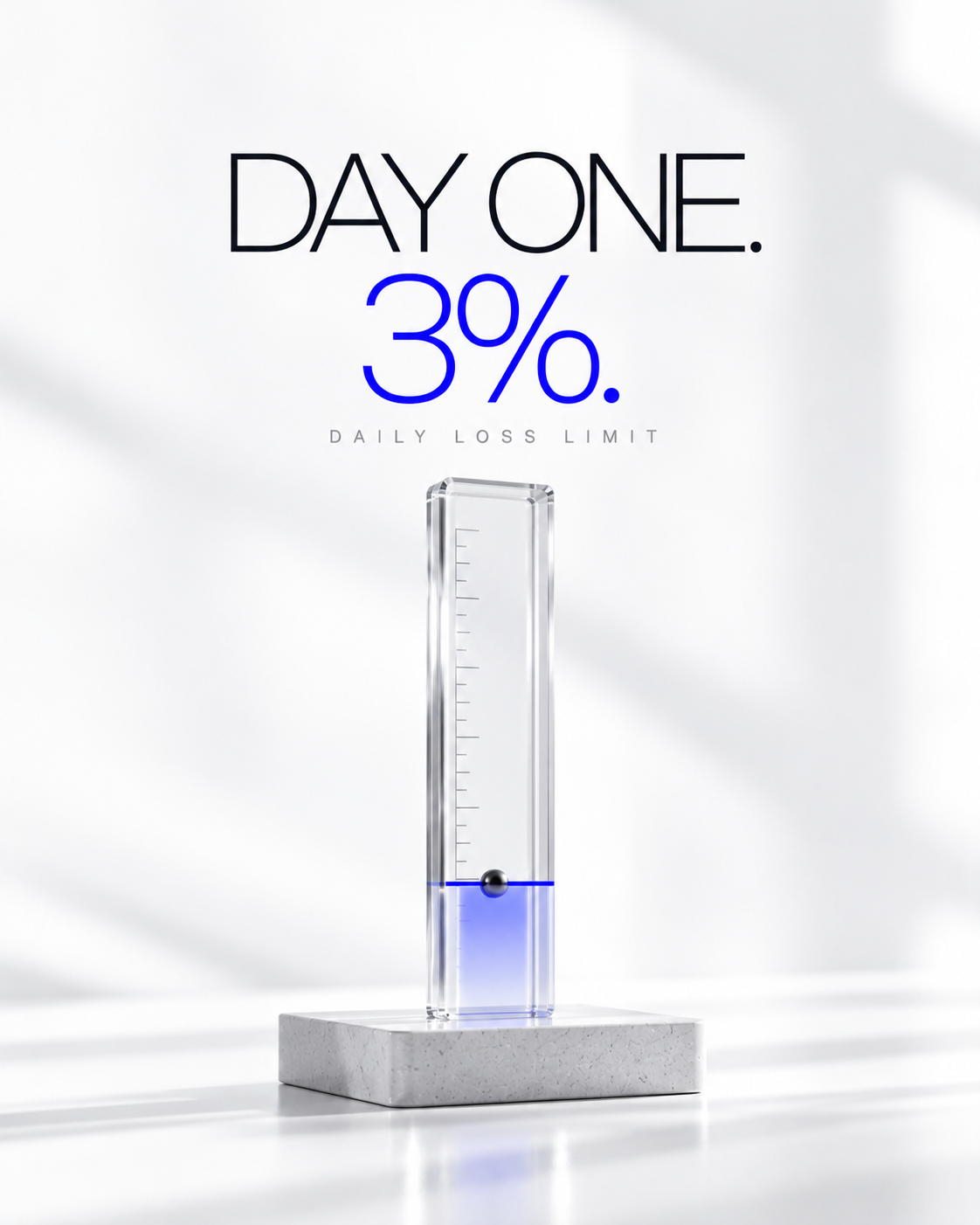
What Happens If You Trigger the 3% Daily Loss on Day 1? PropScholar Recovery Rules Explained (2026)
14 min read
Risk Management
Why Lot Limits Stop Overtrading Before It Starts
13 min read